
HUMANITARIAN·13 November 2026
COP31’s new climate initiative risks leaving the most vulnerable behind
As the super El Niño gathers strength, some of the world’s most vulnerable communities are already feeling its effects.
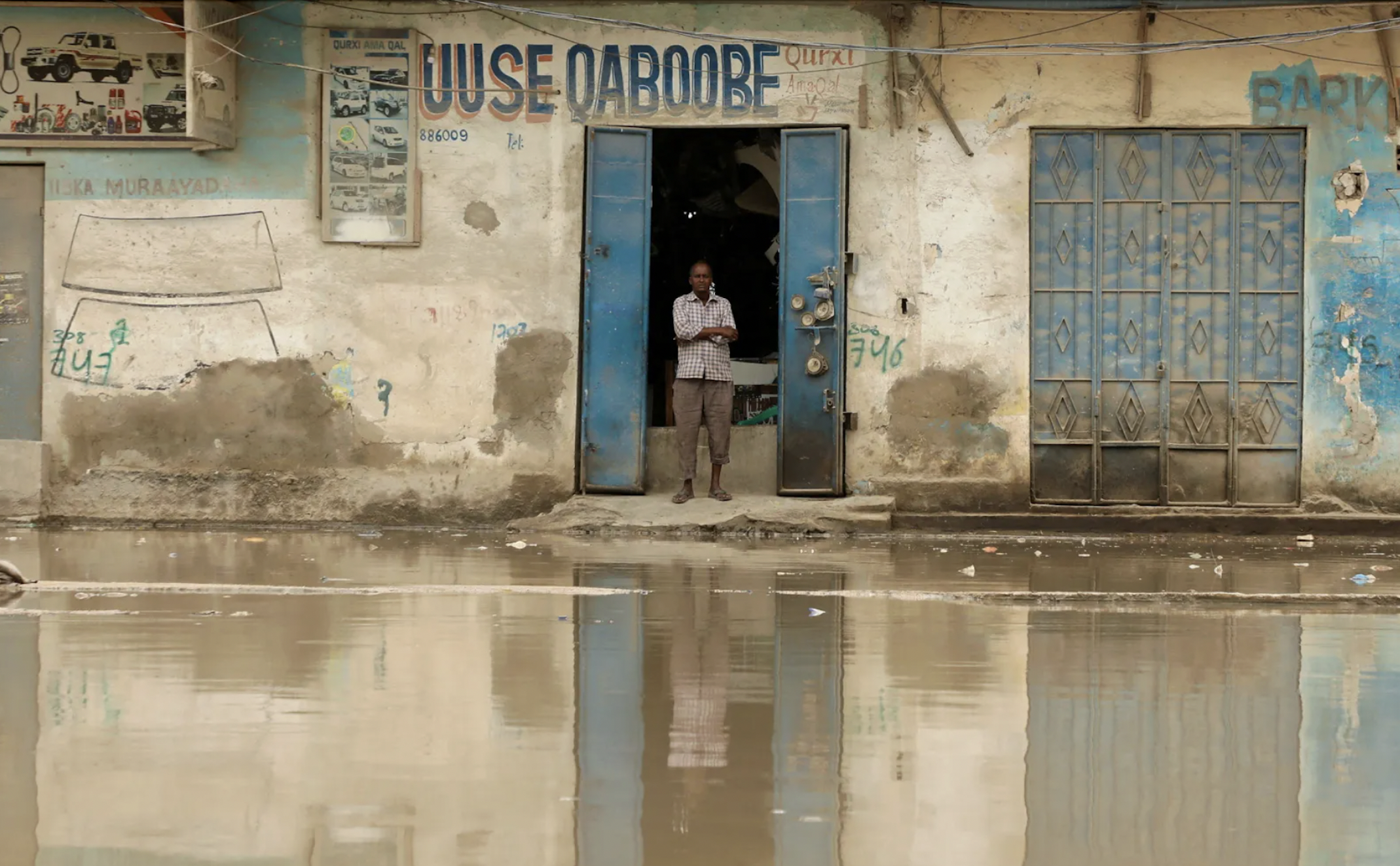
In Ethiopia’s conflict-hit Tigray region, drought has already devastated harvests, compounding a hunger crisis that has left almost four million people in need of emergency food assistance. In Somalia, El Niño-linked rains have flooded parts of Mogadishu, disrupting healthcare services and raising fears of a repeat of the 2023 floods that displaced 1.2 million people.
Yet these same people are likely to receive the least international climate finance. Between 2014 and 2021, people affected by severe crises received just $2 per person in climate finance from some of the world's largest climate funds, compared with $162 for people living in more stable contexts. (This includes China, India, and the United Arab Emirates, which were among the major recipients of international climate finance in 2021 and 2022.) The numbers are even starker for particularly vulnerable groups: Just 2.4% of major funds’ climate financing between 2006 and 2023 supported projects addressing children's specific needs, for example.
This is the paradox at the heart of international climate finance – and one that governments have an opportunity to confront at the COP31 UN climate summit in Antalya.
Türkiye has positioned COP31 as an “implementation COP”, focused on translating climate commitments into action. Most recently, at the United Nations General Assembly, COP31 president Murat Kurum launched a new Climate Implementation Bridge initiative to help countries turn their climate plans into bankable projects and unlock green investment. “Many countries know what they need to do,” Kurum said in describing the initiative. “They have their climate targets, development priorities, and sectoral strategies. However, they face significant challenges in turning these priorities into actionable investment programmes and projects.”
But while a lack of readiness to apply for, and effectively use, climate finance is a real problem, readiness building alone will not resolve the conflict blind spot.
Why conventional climate finance fails countries in crisis
The fact that people living through crises are also the most vulnerable to climate shocks is no geographical accident. Conflict, limited state capacity, weak institutions, and mounting humanitarian pressures make people less able to anticipate, absorb, and adapt to climate shocks. Yet these same conditions also make it harder for countries to attract and access the climate finance needed to build resilience – creating a persistent fragility penalty.
Building countries’ capacity to access, use, and monitor climate finance is one way to fix this fragility penalty – and has spawned a growing raft of readiness projects in the last decade. But it is not the only cure. Technical training alone cannot overcome institutional and political constraints in crisis-affected places. It is also up to climate funds, donors, and development partners to adapt their ways of working to better reflect these realities.
Unless donor countries signing up to the Bridge initiative grapple with this, they risk reproducing the same inequalities that have dogged climate finance for years.
How to make climate finance work in fragile contexts
We already know what needs to be done. Climate funds and donors – and the shareholders and board members who shape their priorities – must simplify accreditation and application processes, and reevaluate their risk appetites to better account for not just the risks of investing in these places, but also the costs of inaction. The focus needs to shift, from a narrative that climate finance cannot reach so-called fragile and conflict-affected states (FCAS), to how we ensure climate finance reaches these contexts and makes a lasting change.
Funding alone will not fix the conflict blind spot in climate finance. Conventional climate projects are often poorly suited to the realities of fragile and conflict-affected countries.
Indeed, there is a growing body of evidence to support the fact that investing in fragile countries can be high impact. Every dollar invested in climate adaptation can generate more than $10 in benefits over 10 years, while every dollar invested in conflict prevention can avert between $26 and $103 in future costs. These returns are particularly consequential in FCAS, where climate shocks – like those in Tigray and Somalia – compound food insecurity, displacement, gender-based violence, and instability, increasing future humanitarian and crisis response costs.
But funding alone will not fix the conflict blind spot in climate finance. Conventional climate projects are often poorly suited to the realities of fragile and conflict-affected countries. They may rely on functioning government institutions, overlook local conflict dynamics, or fail to account for the overlapping challenges of climate vulnerability, poverty, and insecurity. Climate action, then, must be designed to work in these areas, including through integrated, flexible approaches, engagement with local actors, and projects that address both climate and conflict risks. This could mean integrating tried and tested humanitarian approaches and crisis response systems – such as crisis modifiers, which allow longer-term programmes to respond to sudden shocks without abandoning their wider objectives.
This extends to the Bridge initiative’s work on capacity building. Capacity building is often treated as a technical challenge, but in crisis-affected governments – where contested authority and high staff turnover can be a defining feature – readiness programmes must adapt to national political realities. Rather than prioritising the creation of committees, coordination platforms, and strategies that reflect international “best practice” but may disappear after elections, readiness support should focus on building long-term institutional capacity. It should enable governments to identify investment priorities, prepare bankable projects, negotiate with financiers, and more.
The real test for COP31
COP31’s Climate Bridge initiative offers an opportunity to address the persistent failure of climate finance to reach those who need it most. It will doubtless be popular – as all these COP initiatives are – and receive a flurry of support from donor and recipient governments alike.
But the international climate community will not get far if it ignores the very real supply-side issues that afflict climate finance and action. Donors, funds, and international financial institutions must adapt their risk profiles and approaches to the realities of people living in crisis.
It is no longer feasible to leave crisis-affected countries out of the conversation at COPs. By 2030, an estimated 400 million of the world’s extreme poor will live in places affected by fragility and conflict. Almost all conflict-affected countries are listed among the world's most climate-vulnerable. This makes investing in resilience in FCAS both urgent and an area to collectively achieve high impact. Beyond the Bridge initiative, Türkiye should use COP31 to secure concrete commitments from climate funds, development banks, and donors – and ensure that crisis-affected countries are not left out of the limelight.
Originally published by THE NEW HUMANITARIAN